
Knee Pain
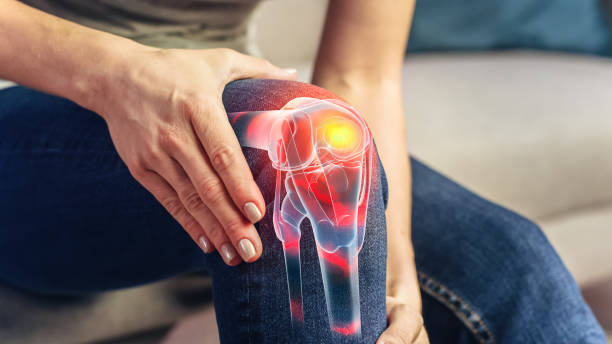
The knee is the largest joint in your body. It comprises the femur, tibia, and patella bones. It also has ligaments, tendons, and cartilage surrounding it. These help move the joint and support it.
Knee pain is a common condition that affects people of all ages and lifestyles. It can result from different factors like injuries and medical conditions like arthritis. The pain can range from mild discomfort to severe pain. It can impact your ability to perform daily activities. It can also affect your quality of life.
Causes of Knee Pain
Knee pain can arise due to different factors. Injuries such as fractures and strains can damage the knee joint and cause pain. Osteoarthritis and rheumatoid arthritis can cause knee pain. Tendinitis, the inflammation of the tendons, can cause pain and stiffness. Bursitis also causes knee pain. It is an inflammation of the bursae, fluid-filled sacs that cushion the knee joint. Meniscus tears, a tear in the rubbery cartilage that cushions the knee joint, can cause pain and stiffness. Patellar tendinitis, the inflammation of the patellar tendon, can cause pain. Repetitive activities like jumping or running can stress the knee joint and cause pain.
Symptoms of Knee Pain
Knee pain manifests in different ways. They include the following:
- Pain, stiffness, or tenderness around the knee joint
- Swelling or inflammation of the knee
- Limited range of motion or difficulty moving the knee joint
- Grinding or popping sounds when moving the knee joint
- Weakness or instability of the knee joint
- Redness or warmth around the knee joint
Seek medical attention to determine your knee pain’s underlying cause. Doing so will also help you receive appropriate treatment if you experience these symptoms.
Treatment Options for Knee Pain
Knee pain treatment depends on the underlying cause of the pain. Resting the knee can help reduce inflammation. It can allow the knee to heal. Applying ice to the knee can help reduce swelling and pain.
Wearing a compression bandage or brace can help reduce swelling and support the knee joint. Elevating the knee above the heart level can help reduce swelling and pain.
Over-the-counter pain relievers can help reduce pain and inflammation. A chiropractor can help you strengthen the muscles around the knee joint, improving your range of motion. Corticosteroid injections can reduce inflammation and pain in the knee joint. In severe cases, surgery may be necessary. It can help repair or replace damaged structures in the knee joint.
Preventing Knee Pain
Preventing knee pain is vital for maintaining good joint health and avoiding future injuries. Wearing proper footwear during exercise and daily activities can help. Use proper form and equipment during exercise.
Engaging in low-impact exercise to strengthen the muscles around the knee joint helps. Maintain a healthy weight to reduce pressure on the knee joint. Taking breaks and stretching during prolonged periods of sitting or standing is ideal. Avoid repetitive activities that stress the knee joint.
When to See a Doctor
Consult with a doctor if you experience knee pain lasting longer than a few days or accompanied by other symptoms like fever or swelling. Your doctor can diagnose the underlying cause of the knee pain and recommend appropriate treatment.
For more about managing knee pain, call Dr. Zeh at 910-246-0606 and set up your first appointment!